How Breath Impacts Posture
Most posture advice focuses on what you can see — shoulders rounding, back slouching, core not engaged.
But here’s the thing: posture isn’t just a position. It’s how your body supports itself from the inside out.
And one of the biggest influences on that? How you breathe.
If your breath isn’t working well – if it’s shallow, stuck or stiff – no amount of “sit up straight” cues will stick.
That’s why we always start with breath. Because when your breath moves better, everything else has a chance to follow.
You Can’t Fix Posture Without Breath
Posture isn’t something you can force from the outside in.
Cues like “sit up taller” or “pull your shoulders back” might create a temporary change — but they rarely last.
That’s because your posture reflects how your whole system is working — not just your muscles.
And one of the biggest drivers of that system? Breath.
If your breath is shallow, stiff, or disconnected from movement, your posture will have to compensate.
You’ll brace, grip, or collapse. Not because you’re doing something wrong, but because your body is doing what it can with the inputs it has.
To create lasting change in posture, you need to start with how your body breathes, not just how it looks in the mirror.
How Breath Shapes Posture (and Vice Versa)
Breath and posture are part of the same system. When one gets stuck, the other usually follows.
When you breathe well, your ribs expand in all directions. Your diaphragm moves down and up like a pump. That movement helps regulate pressure, organize your core, and support upright posture, all without tension or effort.
But when breath becomes shallow or stuck, often from stress, sitting, or old movement habits, your body adapts:
- The ribs stop moving
- The spine stiffens or collapses
- The core loses its ability to manage pressure
- And posture starts to feel harder to “hold”
It’s not a strength issue — it’s a coordination one.
And it’s not just structural.
Breath reflects your nervous system state — how calm, reactive, or tense you are.
It also shapes your ability to move, stabilize, and recover.
That’s why breath is at the centre of everything.
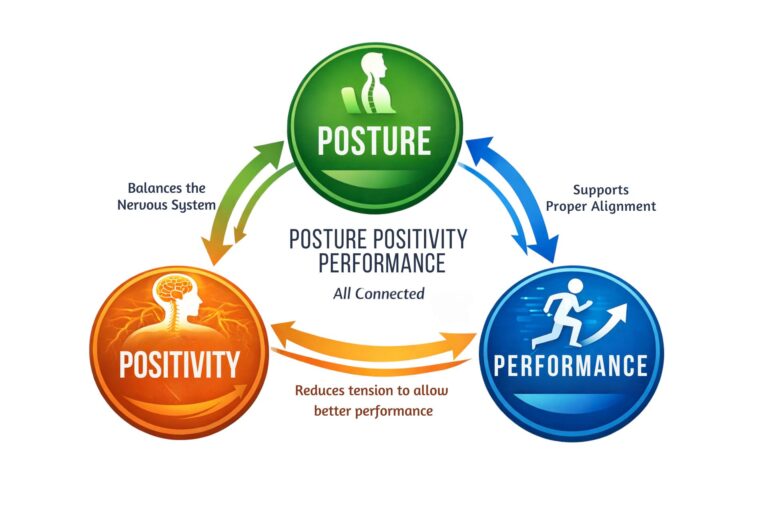
It connects posture, mindset, and movement, which is the foundation of the PPP approach.
Quick Science: How Breathing Actually Works
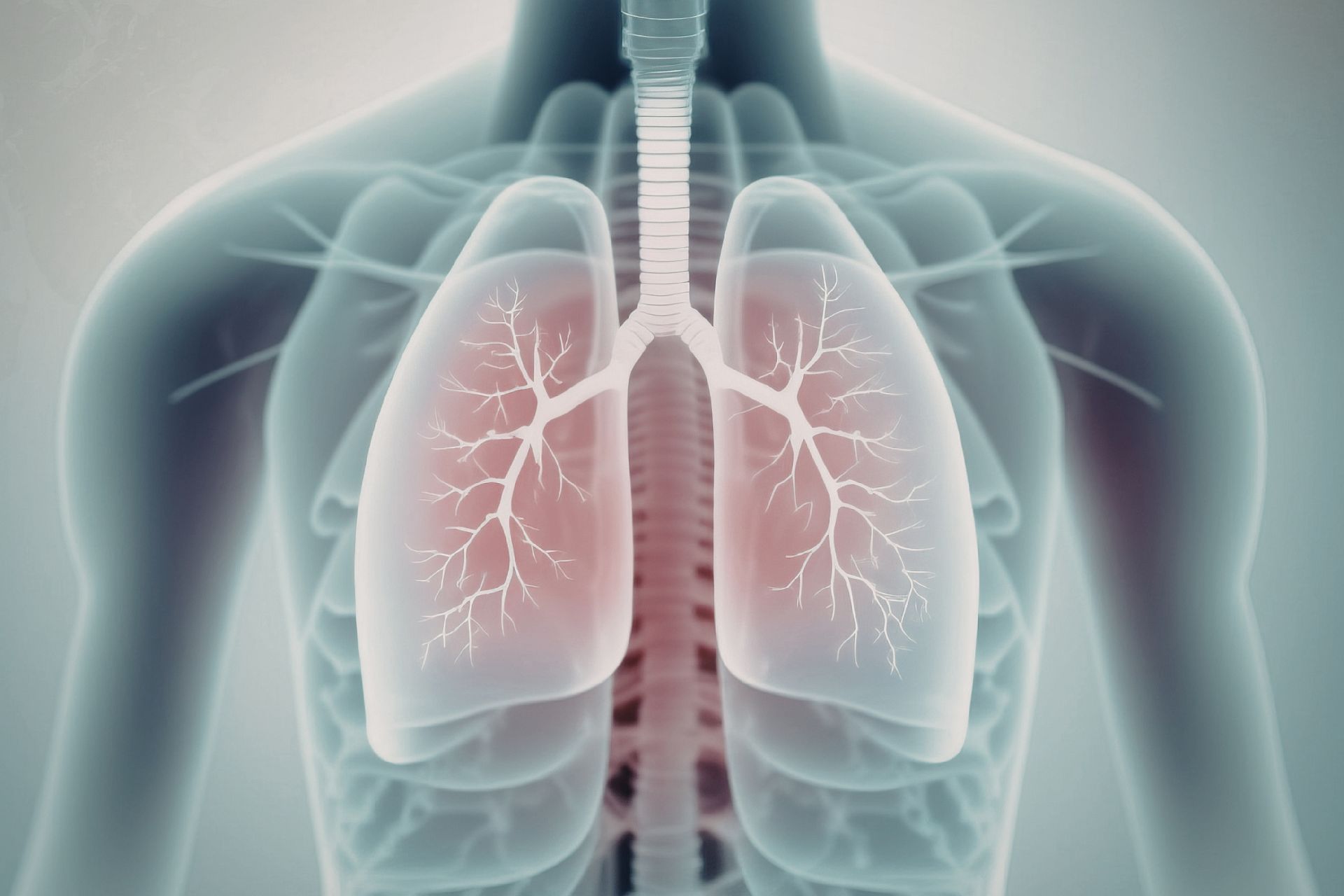
Breathing isn’t just about lungs. It’s a full-body process involving pressure, movement, and coordination. Here’s what happens during a typical breath cycle:
🔹 Inhalation
The diaphragm contracts and moves downward
Ribs lift and expand outward
The chest cavity gets larger
Internal pressure drops, and air flows in
🔹 Exhalation
The diaphragm relaxes and rises
Ribs drop inward
The chest cavity shrinks
Pressure increases, and air flows out
This pressure shift supports your spine and helps stabilize your core, but only if your diaphragm and ribs can move freely.
Poor posture, sitting, stress, or tension can lock this system up — leading to shallow breathing and compensation elsewhere in the body.
Signs Your Breath Might Be Affecting Your Posture
Sometimes the connection between breath and posture isn’t obvious until you start noticing the patterns.
Here are some common signs your breathing habits might be throwing off your posture:
- You feel stiff or compressed through your upper body
- Your shoulders stay tight, even when you’re not stressed
- You get tension headaches or strain through the neck
- Your low back arches or flattens when you breathe in
- You hold your breath during effort or focus
- You often feel like you’re bracing, clenching, or gripping, even when standing still
These aren’t just bad habits — they’re your body’s way of compensating when breath isn’t flowing well.
And because those patterns happen slowly over time, they often feel “normal” until you realize how much effort your body’s been using just to stay upright.
What Makes a “Good” Breath?
Forget perfect breathing — your body just needs breath that works with it, not against it.
Here’s what that usually looks like:
- 360° expansion on inhale
Not just belly breathing, but movement through the ribs, sides, and even into the back - An active and engaged inhale: opening and lifting the upper lungs, expanding and lowering the lower lungs
- Soft, complete exhale
Not forced or collapsed, just a natural release of pressure - Rhythm, not rigidity
An even breathing pattern that supports your body’s state and activity, rather than bracing or over-controlling - Integration with posture and movement
Breath that supports how you move and hold yourself, not something separate you only think about in yoga class
When breath is balanced, your body feels more supported and posture becomes easier, not something you have to think about all day.
Quick Check-In: How’s Your Breath Right Now?
Take a moment. Place one hand on your chest, one on your lower ribs
Inhale gently through your nose
Notice:
Where does the movement go?
Are your shoulders lifting?
Does the breath stop at your collarbones?
Or do your ribs expand outward and back?
Now exhale slowly — no force. Just let the air leave.
Do your ribs soften, or do they stay braced?
This isn’t a test, just a starting point.
Becoming aware of how your breath moves is the first step toward improving it.
Why Breath Is the Starting Point
Breath connects everything — posture, movement, and your nervous system.
When it’s working well, your body has internal support. You move better. You feel calmer. Posture becomes something your body does, not something you have to hold.
But when breath is shallow or stuck — whether from stress, habit, or restriction — everything else starts to compensate.
That’s why breath is often the first thing we look at in treatment.
By observing how your ribs move, how your diaphragm responds, and how breath flows through your torso, we can start to unravel stuck patterns — even ones that don’t seem related to posture at all.
Breath shows us where the body might be holding tension or imbalance. And sometimes, just helping the ribs or diaphragm move better can shift posture patterns that have felt stuck for years.
Breath tells the truth about how your system is doing.
And when it improves, everything else has more room to change.
How Osteopathy Supports Better Breathing
You don’t need to force better breathing. The body is designed to breathe well, but only if the right pieces can move.
In osteopathy, treatment often focuses on restoring movement through the ribs, spine, diaphragm (did you know there is more than 1?), and surrounding fascia.
Not with aggressive techniques, but with gentle, precise work that helps the system reset from the inside out.
Here’s what that might include:
- Releasing restriction around the diaphragm
- Improving mobility through the ribs and thoracic spine
- Supporting balance through the pelvis and abdominal wall
- Helping the nervous system shift out of “protective” states that limit breath
The goal isn’t to teach a perfect breathing technique — it’s to give your body the space and support it needs to breathe better without effort.
When breath improves, posture usually follows
And you don’t have to think about it, because your body starts doing what it’s meant to do.
Final Thoughts: Start With Breath, Not the Mirror
If you’ve been trying to fix your posture with stretches, cues, or exercises that don’t seem to stick, it might be time to look deeper.
Breath is often the missing piece.
It’s not just about taking deeper inhales.
It’s about how your body manages pressure, finds support, and holds itself from the inside out.
When breath starts working better, posture often changes without effort.
You stop gripping. Stop collapsing. And start moving with more ease.
That’s why we start here.
Interested in learning more?
Discover more about osteopathy and how the body is connected
- What Is Osteopathy?
- Why Posture Problems Need More Than a Massage
- The PPP Framework: Posture, Positivity, Performance
- 5 Common Posture Issues (and How Osteopathy Can Help)